The Silent Architects of India: 5 Best Rural Development NGOs in India Driving Community Transformation
Despite rapid urbanization, India remains predominantly rural. According to World Bank estimates, approximately 65% of India’s population lives in rural areas, and 47% is dependent on agriculture for their livelihood. This means that nearly two out of every three Indians continue to depend on rural ecosystems, economies, and institutions for their livelihoods and wellbeing.
Rural India is not merely an agricultural landscape; it is home to diverse communities, traditional knowledge systems, local economies, and emerging aspirations. The wellbeing of rural communities directly influences national outcomes related to food security, environmental sustainability, employment generation, social inclusion, and economic growth as the true measure of India’s growth lies in the transformation of its villages and marginalized urban pockets.
The Landscape of Rural & Community Development in India
Rural development is no longer just about basic farming; it is an integrated ecosystem requiring interventions across multiple sectors. Today, the sector faces a complex mix of historic vulnerabilities and emerging challenges:
- Climate & Agriculture Interdependence: Around 47% of India’s population relies on agriculture for their livelihood. However, increasing climate volatility makes traditional farming risky, raising the urgent need for climate-resilient farming models.
- The Urban Slum Paradox: As rural migration continues, urban centers are seeing a massive rise in informal settlements. In Mumbai alone, millions live in dense informal settlements, contributing heavily to the economy while facing restricted access to clean water, reliable sanitation, and formal healthcare.
- The Capital Bottleneck: Thousands of Farmer Producer Organizations (FPOs) have been formed across India, but many struggle to transition into commercially viable business enterprises due to a lack of technical expertise, market linkages, and structural credit.
Over the years, government initiatives have significantly expanded access to roads, electricity, banking services, sanitation facilities, and digital connectivity. Poverty levels have declined, educational access has improved, and healthcare services have become more widespread than ever before.
However, development remains uneven!
True development cannot happen through a top-down approach alone. While mega-infrastructure projects establish the foundational skeletal framework of a country, it is the grassroots Non-Governmental Organizations (NGOs) that bring it to life. Operating at the micro-level, these organizations tackle complex issues such as climate variability, rural flight, and structural poverty to build highly self-reliant ecosystems within marginalized communities.
Sustainable development requires local leadership, community participation, behavioural change, institutional strengthening, and long-term engagement. Across India, rural development NGOs are working alongside communities to create solutions that are sustainable, inclusive, and locally owned. Their work extends beyond service delivery to strengthening people’s capacity to shape their own futures.
Unlike short-term interventions, many development NGOs invest years in nurturing community institutions that can sustain progress independently.
Their contributions include:
- Mobilizing communities and strengthening local leadership.
- Supporting livelihood enhancement and economic resilience.
- Facilitating women’s empowerment and financial inclusion.
- Improving access to education and healthcare.
- Promoting environmental sustainability.
- Strengthening community-based organizations.
- Connecting marginalized populations with government schemes and entitlements.
- Building long-term resilience through participatory development approaches.
Through these efforts, NGOs help create development processes that are both inclusive and sustainable.
In this blog, we highlight the Top 5 NGOs in India that are driving Driving Community Transformation and align with the principles of transparency, accountability, and long-term impact. Click on the NGO titles to know more!
PRADAN alters the rural landscape by introducing highly educated young professionals, specialists in engineering, management, and agriculture – directly to grassroots communities to act as catalysts for change.
- Core Focus: Social mobilization, food security, climate-resilient livelihoods, and local governance.
- Key Strategies: Organizing rural women into robust Self-Help Groups (SHGs) and partnering with national and state governments to strengthen Gram Panchayat Development Programs.

Operating in the harsh, drought-prone geography of the Thar Desert in Rajasthan, GRAVIS has spent over four decades perfecting the science of desert community rehabilitation.
- Core Focus: Water security, drought relief, community health, and rural leadership.
- Key Strategies: Reviving traditional rain-water harvesting systems through the construction of Taankas (underground drinking water storage tanks) and Khadins (farm bunds that retain moisture in agricultural land).
While rural development is vital, community development must also address the severe realities of urban poverty. Apnalaya works in Mumbai’s most under-resourced slum clusters to break intergenerational marginalization.
- Core Focus: Healthcare access, basic sanitation, youth education, and civic empowerment.
- Key Strategies: Empowering marginalized urban communities to advocate for their own civic rights, driving down childhood malnutrition, and collaborating with local government bodies to secure legal entitlements.
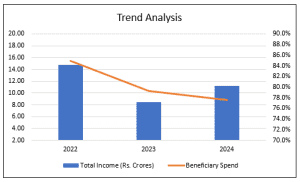
It addresses community development by creating safety nets, education, and vocational skills for the most vulnerable rural, tribal, and marginalized youth.
- Core Focus: Institutional child rehabilitation, tribal and rural education, vocational skill development, and women’s micro-credit enablement.
- Key Strategies: They operate a holistic network of specialized Children’s Homes alongside remedial Community Education Support Centers. To prevent distress seasonal migration among poor families, they run Industrial & Vocational Training Centers that teach job-ready trades to rural dropouts, complemented by rural health clinics and women-led micro-savings networks. SAMPARC has mainstreamed thousands of orphans, tribal, and disadvantaged children into formal employment and higher education, transforming at-risk youth into self-reliant, dignified citizens.
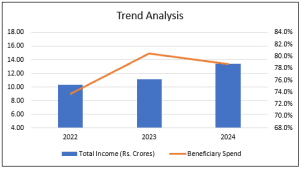
ODP applies a strict rights-based approach to community development, shifting the paradigm from charity to institutional empowerment.
- Core Focus: Women’s empowerment, Natural Resource Management (NRM), livelihood enhancement, and good governance.
- Key Strategies: Organizing marginalized rural women into village Sanghas and taluk-level federations (such as the Mahilodaya Women’s Federation) to combat exploitation by predatory local moneylenders. They have turned local resource management into a people’s movement, establishing soil and water testing labs, running agricultural clinics, and training local leaders to actively run for positions within local Panchayat structures.
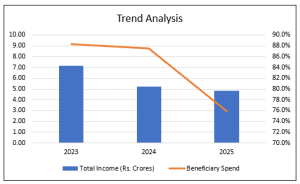
How You Can Support Lasting Change
At HelpYourNGO, we are committed to strengthening the social impact ecosystem by connecting NGOs, Donors, CSR partners, Volunteers, and Development Professionals. We believe that sustainable change begins with strong community institutions and dedicated organizations working at the grassroots level. Through knowledge sharing, collaboration, and visibility, we aim to support the organizations that are building a more inclusive and resilient India.
Visit HelpYourNGO to view detailed programs, financial disclosures, and verified profiles of India’s leading development organizations. Every donation you make can be directed precisely to the causes and regions that need your support the most.
Please note that the above list is not an exhaustive compilation of the best NGOs in the development sector; it has been curated from the HelpYourNGO database.