5 Best NGOs for Healthcare in India
India’s healthcare landscape is a study in contrasts, with world-class medical hubs existing alongside rural areas that still have limited access to basic care. Home to nearly one-sixth of the world’s population, India has one of the world’s largest public healthcare systems, yet healthcare accessibility remains a major challenge in underserved regions. According to the National Health Profile of India, a significant portion of healthcare expenses in the country is still paid directly by families, making medical care financially overwhelming for vulnerable communities. At the same time, rising cases of cancer, malnutrition, chronic illnesses, and mental health concerns have increased the need for grassroots healthcare interventions.
Currently, India spends roughly 3% of its GDP on healthcare, and while this figure is gradually increasing, the burden on the public healthcare system remains immense. As government initiatives continue to expand healthcare infrastructure, non-governmental organizations (NGOs) have become indispensable partners in strengthening healthcare delivery, awareness, prevention, rehabilitation, and community outreach across the country. India’s CSR ecosystem has also grown significantly, with CSR spending crossing ₹7,000 crore in FY 2023–24, creating greater opportunities for NGO-led healthcare interventions and partnerships that play a critical role in reaching the “last mile.”
Why NGOs Are Important in India’s Healthcare Sector?
- Bridging Healthcare Gaps in Rural and Underserved Areas: Many remote villages and marginalized urban communities still lack easy access to hospitals, doctors, diagnostics, and preventive healthcare education. NGOs help bridge these gaps through mobile medical units, community clinics, telemedicine support, outreach camps, and home-based healthcare services. Their grassroots presence enables them to reach populations that formal healthcare systems often struggle to access consistently.
- Promoting Preventive Healthcare and Awareness: One of the most important contributions of NGOs in India is preventive healthcare awareness. NGOs regularly conduct awareness campaigns on nutrition, hygiene, maternal health, immunization, menstrual health, mental health, cancer screening, tuberculosis prevention, HIV/AIDS awareness, and lifestyle diseases. Research shows that awareness generation is among the most common healthcare activities performed by Indian NGOs.
- Supporting Vulnerable and Marginalized Communities: Health NGOs work extensively with vulnerable populations including women, children, elderly citizens, persons with disabilities, migrant workers, tribal communities, and low-income families. They often provide subsidized treatment, nutritional support, rehabilitation services, counseling, therapy, and emotional care to people who otherwise may not receive adequate healthcare support.
- Strengthening Public Health Systems: Many NGOs collaborate with government hospitals, primary healthcare centers, and local administrations to improve service delivery, healthcare awareness, and implementation of public health schemes. These partnerships help strengthen healthcare systems by increasing community participation and improving healthcare outreach at the grassroots level.
- Encouraging Community Participation and Behavioral Change: Healthcare transformation requires more than hospitals and medicines — it requires awareness, trust, and behavioral change. NGOs build strong relationships within communities, helping people adopt healthier lifestyles, seek timely medical care, improve sanitation practices, and participate actively in healthcare programs. This community-driven approach creates sustainable and long-term health improvements.
In this blog, we highlight the Top 5 Health NGOs in India that are driving real change and align with the principles of transparency, accountability, and long-term impact. Click on the NGO titles to know more!
1. CANSUPPORT
CanSupport is a pioneer in the field of palliative care, ensuring that cancer patients live and die with dignity. Their primary focus is on providing a “continuum of care” through home-based visits for patients who are often bedridden or in the advanced stages of the disease. Their multidisciplinary teams—consisting of doctors, nurses, and counselors—not only manage physical pain but also provide psychological and spiritual support to both the patient and their family. By offering these services free of charge to the underprivileged, CanSupport fills a vital void in the Indian oncology landscape.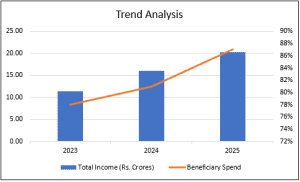
2. S.N.E.H.A (SOCIETY FOR NUTRITION, EDUCATION AND HEALTH ACTION)
S.N.E.H.A. operates at the intersection of urban poverty and public health, specifically targeting women and children in Mumbai’s informal settlements. Their programs are built on four pillars: Maternal and Newborn Health, Child Health and Nutrition, Sexual and Reproductive Health, and Prevention of Violence against Women and Children. By empowering community volunteers (Sanginis) to identify health risks early, S.N.E.H.A. creates a sustainable, grassroots-led model that reduces maternal and neonatal mortality in high-density urban environments.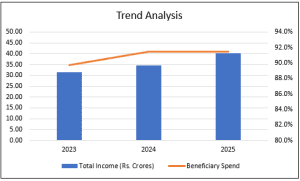
3. SWASTI
Swasti, a part of the Catalyst Group, views health through a holistic lens, focusing on “Health Outcomes” rather than just medical interventions. Their programs are designed to reach vulnerable populations, including sex workers, factory workers, and marginalized rural communities. Swasti’s unique approach involves strengthening community-led health systems and implementing “Invest for Wellness” (i4We) programs, which combine primary healthcare with financial inclusion and social protection. Their work ensures that a single health crisis doesn’t push a vulnerable family back into poverty.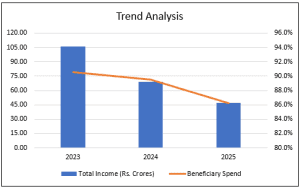
4. ALERT INDIA
ALERT India (Association for Leprosy Education, Rehabilitation and Treatment) has been at the forefront of the fight against Leprosy and Tuberculosis for decades. Their comprehensive LEAP (Leprosy Elimination Action Programme) works closely with the government to detect cases early, provide multi-drug therapy, and facilitate the physical rehabilitation of those affected. Beyond the clinical aspect, ALERT India works extensively to combat the social stigma associated with these diseases, ensuring that cured patients can reintegrate into society with pride.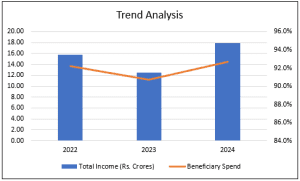
Niramaya Health Foundation is dedicated to the philosophy that “Prevention is better than cure.” Their programs primarily focus on the health of children and adolescents, addressing issues like malnutrition, anemia, and hygiene. Through their “School Health Program” and “Anemia Control Program,” they conduct regular screenings and provide supplementary nutrition to thousands of students. By intervening at a young age, Niramaya aims to build a healthier future generation, reducing the long-term burden of non-communicable diseases.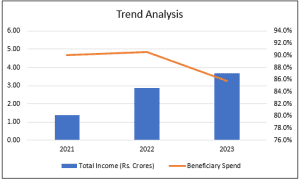
Final Thoughts:
The work of these organizations highlights a crucial truth: healthcare is about more than just medicine; it’s about empathy, accessibility, and community empowerment
How can you help? Before donating, it is essential to do your research. At HelpYourNGO, we showcase detailed NGO information, financial analysis, and transparency insights to help ensure your contribution reaches the right hands. Together, we can build a healthier and more equitable India. Reach out to us at info@helpyourngo.com if you would like guidance in choosing the right NGO for the right cause.
Please note that the above list is not an exhaustive compilation of the best NGOs in the healthcare sector; it has been curated from the HelpYourNGO database.